
The right neighborhood on St. Maarten comes down to three things: how many weeks a year you will be here, whether the property needs to earn, and how much noise you can live with. Answer those honestly and the shortlist writes itself.
The island is about 37 square miles, shared between two nations since the Treaty of Concordia in 1648, so nothing is far from anything else on paper. In practice, sit through one Simpson Bay bridge opening, or take Airport Road at five in the afternoon, and ten minutes on a map becomes forty in a car.
Here are the ten areas buyers ask us about most, with what each one is genuinely good at and one honest drawback.
Start with three questions, not with listings
Buyers who are still happy five years later usually answered these before viewing anything.
- How many weeks a year will you be on island? Under six weeks, a managed condo almost always beats a villa with a pool and a garden you supervise from abroad.
- Does the property need to earn? High season runs roughly mid December to mid April, and late August through October is quiet, so any income plan has to survive the gap.
- Do you want to walk to dinner or drive to it? That one preference separates Simpson Bay and Grand Case from Dawn Beach and Terres Basses.
Two filters follow: new construction or older stock rebuilt after Irma, and Dutch side or French side, which changes your cost picture entirely. The neighborhood finder in our property tools will shortlist areas for you in about a minute.
1. Simpson Bay: the most convenient address
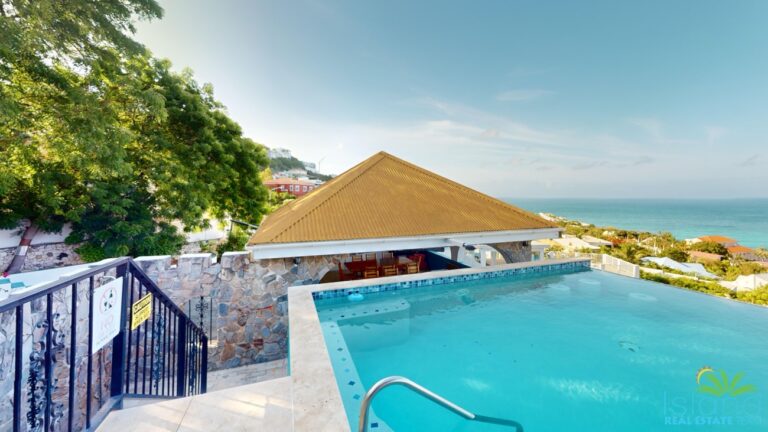
The strip between the sea and Simpson Bay Lagoon holds the restaurants and bars of Welfare Road, the beach, and four marinas: Simpson Bay Marina, Palapa Marina, Isle de Sol and Yacht Club Port de Plaisance. SXM is five minutes away.
- What you find: beachfront and lagoon side condos, apartments over the strip, marina residences, a few houses on the slopes.
- Who it suits: buyers who want to land, drop a bag and walk everywhere, and investors who hate vacancy.
- Rental potential: the broadest on the island. Holiday guests, yacht crew and longer stay professionals all look here first.
- The honest drawback: noise. Music runs late on the busiest section and the bridge schedule dictates your afternoon. Check the specific building.
2. Cupecoy: modern condos on the cliffs
Sandstone cliffs and small coves on the southwest coast. Porto Cupecoy supplies a marina, a restaurant square and a supermarket, Blue Mall is up the road, and Mullet Bay Golf Course, the island’s only course, is next door.
- What you find: modern condo buildings, penthouses and marina apartments. Very little detached housing.
- Who it suits: buyers who want a lock up and leave home with an elevator, a pool and security, twenty minutes from the SXM terminal.
- Rental potential: strong. Newer buildings with real management do well with holiday guests and seasonal residents.
- The honest drawback: density and dues. Buildings sit close together, a few are within earshot of the Maho nightlife, and fees in the better complexes are a serious monthly number.
3. Pelican Key: views and quiet, five minutes from everything
An established hill west of Simpson Bay, climbing from Kim Sha beach up Billy Folly Road. Low density, mature planting, and views over the lagoon or out to sea.
- What you find: hillside villas, smaller condo buildings, a mix of older homes and properties rebuilt since 2017.
- Who it suits: second home buyers, retirees and families who want calm and a view with dinner on Welfare Road five minutes away.
- Rental potential: good, and steadier through the year than the strip. Long term tenants are easy to find.
- The honest drawback: you need a car. The hill is steep, sidewalks give out, and nothing on the upper roads is walkable.
4. Maho: the resort district
Hotels, casinos, Maho Plaza and the beach at the end of the SXM runway, where the Sunset Bar and Grill posts the arrivals board on a surfboard. Busy by design.
- What you find: resort condos, apartments in mixed use buildings, and units attached to hotel operations.
- Who it suits: investors focused on holiday occupancy, and owners who like being inside the action for a few weeks a year.
- Rental potential: among the strongest nightly demand here, because guests already want this exact spot. Mullet Bay beach is a short walk.
- The honest drawback: aircraft and nightlife. This is the loudest neighborhood on SXM and it stays loud through high season.
5. Dawn Beach: sunrise, space and low density
The east coast, facing sunrise with St. Barths on the horizon on a clear morning. A wide beach, resorts at the center, and quiet land rising toward Oyster Pond.
- What you find: beachfront and hillside condos, villas, and larger parcels above the coast road.
- Who it suits: buyers who want room and an unhurried routine, and who genuinely do not mind driving.
- Rental potential: solid with the right property, particularly villas and larger condos aimed at families.
- The honest drawback: distance. Figure 25 to 35 minutes to SXM by way of Philipsburg. East facing coasts can also see seasonal seaweed, so ask about recent years.
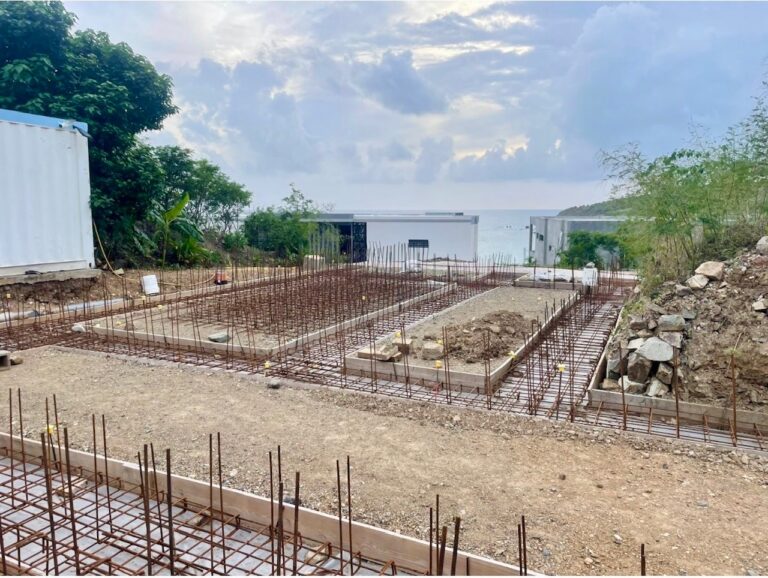
6. Indigo Bay: new construction, planned infrastructure
A master planned development on the south coast between Cole Bay and Little Bay, with its own beach. Cay Hill and Sint Maarten Medical Center are minutes away.
- What you find: modern villas and condos finished in recent years, plus land parcels for buyers who want to build.
- Who it suits: buyers who want current building standards, planned roads and utilities, and no renovation project.
- Rental potential: good and improving as the development fills in and becomes better known.
- The honest drawback: it is still becoming itself. No village, no walkable center, and you may live near active construction.
7. Oyster Pond: for people who own a boat
A sheltered natural harbour where the two nations meet. Oyster Bay Marina, restaurants around the water, quiet streets on the slopes above, and Dawn Beach next door.
- What you find: marina view condos, townhouses and hillside villas.
- Who it suits: boat owners above all, and buyers who want protected water views without resort noise.
- Rental potential: reliable in season, especially with boating guests and visitors who want both sides of the island.
- The honest drawback: the border runs through this area. Confirm which side a property sits on, because it changes the legal and tax treatment completely.
8. Terres Basses: the luxury villa market
The Lowlands on the French side, reached along the road past Baie Nettle. Large parcels, a private feel, and Baie Rouge, Baie Longue and Plum Bay within minutes of each other.
- What you find: large villas on generous plots, a handful of estates, almost no condos.
- Who it suits: buyers at the top of the market who want privacy, land and beaches rather than restaurants at the door.
- Rental potential: strong at high nightly rates through villa agencies, with a clearly defined season.
- The honest drawback: the French cost structure. Higher entry costs, an annual taxe fonciere, and capital gains tax on a resale at a profit. Marigot is close, everything else is a drive.
9. Grand Case: the culinary capital
One long beachfront boulevard of restaurants, from the lolos grilling over open fire to serious kitchens, with a calm bay in front and Pic Paradis behind. Harmony Nights closes the street on Tuesdays in season.
- What you find: beachfront apartments, village houses, small condo buildings and homes on the hillside above the boulevard.
- Who it suits: buyers who want village life, food and walkability instead of resort amenities.
- Rental potential: good in season, driven by guests who come to the island specifically to eat, with Anse Marcel and Friar’s Bay nearby.
- The honest drawback: the stock is older and tighter. Parking is limited, street noise carries, and the village slows right down in the quiet months.
10. Orient Bay: the French side’s headline beach
Baie Orientale is a long crescent of sand with beach clubs, watersports and a village behind it. Pinel and Tintamarre sit offshore, and the boat to Pinel leaves from Cul de Sac.
- What you find: villas, condos in beach oriented complexes, and townhouses in the village.
- Who it suits: buyers who want a lively beach as the center of the week, and owners who want a property that markets itself.
- Rental potential: among the best on the French side, helped by name recognition with visitors who have never set foot here.
- The honest drawback: seasonal and busy. Day visitors fill the beach at peak times and it empties out in September. French tax rules apply.
The ten at a glance
| Neighborhood | Side | Typical property | Best for | Rental demand |
|---|---|---|---|---|
| Simpson Bay | Dutch | Condos, apartments | Convenience, walkability | Broadest on the island |
| Cupecoy | Dutch | Modern condos | Lock up and leave living | Strong |
| Pelican Key | Dutch | Villas, small condos | Views with quiet | Good and steady |
| Maho | Dutch | Resort condos | Holiday occupancy | Very strong in season |
| Dawn Beach | Dutch | Villas, condos | Space, sunrise views | Solid |
| Indigo Bay | Dutch | New villas and condos | New construction | Good and rising |
| Oyster Pond | Both | Marina condos, villas | Boat owners | Reliable in season |
| Terres Basses | French | Large villas | Privacy and beaches | Strong at high rates |
| Grand Case | French | Village and beach homes | Food, village life | Good in season |
| Orient Bay | French | Villas, beach condos | Beach life | Strong for the French side |
Dutch side or French side, in money terms
Your neighborhood sets your lifestyle. The side of the island sets your cost structure.
| Item | Dutch side (Sint Maarten) | French side (Saint Martin) |
|---|---|---|
| Transfer tax | 4 percent of the purchase price | Included in combined notaire fees and duties |
| Notary or notaire costs | Roughly 1 to 2 percent | Roughly 7 to 10 percent with duties |
| Typical total to complete | Roughly 5 to 6 percent, or 6 to 7 percent with a local mortgage | Roughly 8 to 10 percent |
| Annual property tax | None | Taxe fonciere applies |
| Capital gains tax on resale | None | Up to 34 percent, relief where it was the main home |
| Currency in practice | US dollar | Euro |
On the Dutch side the notary is a neutral officer of the law, acting for the transaction rather than for buyer or seller: verifying title, drafting the deed of transfer, confirming taxes are settled and registering it at the Kadaster. Foreign nationals may own freehold on either side. Run your figures through the buyer cost guidance and the Dutch versus French comparison tool, then confirm them with a notary or tax adviser, because rates and rules change.
Domande frequenti
Which neighborhood has the best rental demand?
Simpson Bay, across the whole year, because it draws holiday guests, marina crew and longer stay tenants at once. For nightly holiday occupancy, Maho and Cupecoy compete closely. On the French side, Orient Bay usually performs best.
Where should I buy if I want quiet?
Pelican Key, Dawn Beach, Point Blanche, Guana Bay, Almond Grove and Terres Basses are all low density. Pelican Key is the quiet option that stays closest to restaurants and to SXM.
Can a foreigner buy property in St. Maarten?
Yes, freehold, with no restriction on either side. Dutch side property trades in US dollars in practice, even though the guilder is official at a peg of about 1.79. The French side uses the euro.
What should I budget beyond the purchase price?
Closing costs, then association dues, insurance including windstorm cover, and GEBE electricity and water, which are expensive by regional standards. Many owners add solar, an inverter or a cistern. Ask any seller for twelve months of bills.
Does hurricane history matter when comparing neighborhoods?
It matters more at building level than area level. Irma made landfall on 6 September 2017 and reset the island’s building stock. Ask what was rebuilt, when, and to what standard, and look for concrete construction, impact glass or shutters and a clean insurance history.
Narrowing it down
There is no single best neighborhood here, only the best fit for how you intend to use the property. Tell us how many weeks a year you will be on island, whether the place needs to earn, and what you are comfortable spending, and the map usually narrows to two or three areas in one conversation.
Browse current listings across every area, or contact the team. You can also meet the agents who cover each part of the island.