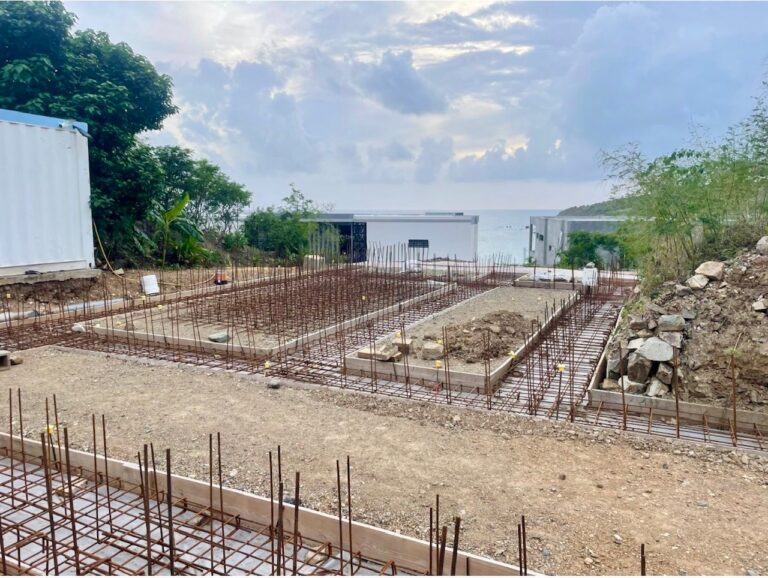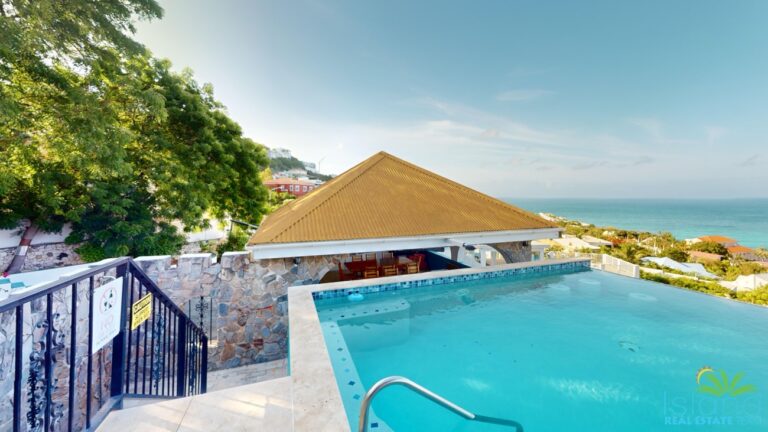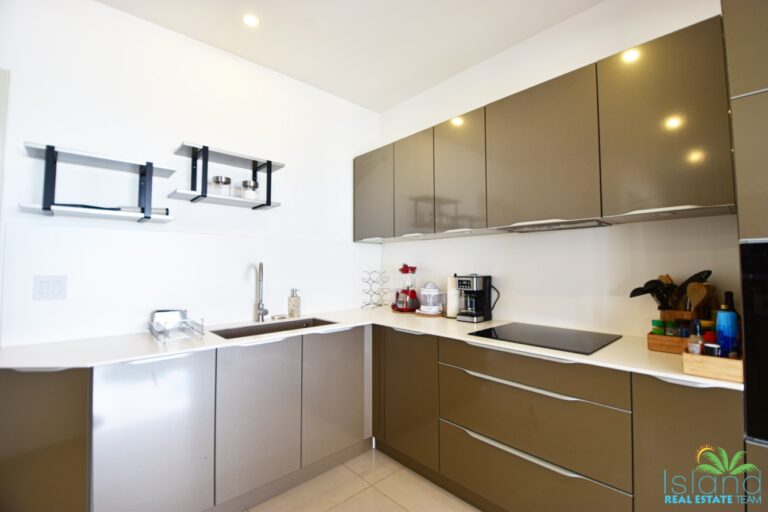

After several Sint Maarten property viewings, a phone full of photographs can become surprisingly unhelpful. Which balcony belonged to which apartment? Was the service cupboard accessible? Did that picture show a concern or simply poor lighting? A short photo log turns your images into an organized record instead of another source of uncertainty.
Begin with the listing reference from the properties page and the date of your visit. Obtain permission before photographing interiors, personal possessions or occupants. If photography is not permitted, take written notes instead. The aim is to remember the property accurately, not to collect everything you can see.
Capture context before close details
Take an overall room image before a close photograph of a specific feature, where permitted. Record the room name and the direction you are facing. A close image of a wall mark is difficult to interpret if nobody can identify its location. Avoid relying on the order in your camera roll after images have been shared or downloaded.
Use simple labels such as kitchen overview and kitchen window question. Do not label an image structural defect unless that is a conclusion from an appropriate professional. Your caption should describe what is visible, for example a line in the finish beside the window, and identify the question you want answered.
Write a caption that prompts a response
Each selected image needs only three details: location, observation and requested clarification. For example: bathroom ceiling, visible discoloration near vent, please confirm whether there is a maintenance history. That is a manageable request. Sending twenty uncaptained photographs and asking whether everything is fine rarely produces a precise answer.
If someone gives an explanation during the viewing, include their role and the date. Keep their statement separate from your observation. A photo log should make the difference between seen, reported and documented easy to understand. It should not silently convert a verbal explanation into a confirmed repair record.
Document unanswered access questions
Not every useful entry needs a photograph. Record places that were not accessible or features that were not demonstrated. For example, exterior storage not opened or shutter operation not shown. This gives you a clear agenda for a second visit without implying that an inaccessible item is defective.
When photographs suggest a layout difference, request the relevant plans and professional clarification. The government building permit page provides a starting point for understanding application documentation. A photograph by itself cannot establish whether a layout has the required approvals.
Share a small, purposeful set
Choose only the images necessary for your questions. Remove pictures that reveal unrelated personal information and avoid public posting without permission. Keep original files for your own record, but send a short numbered explanation in the accompanying message so the recipient knows what you need.
Before your next viewing, prepare the same logging method for the next property. Consistency makes your records more useful than taking more photographs. Contact the team with the property reference and a focused set of questions when you need clarification. Your log should support a better conversation, not replace a professional inspection or become a public judgment about someone’s home.