
The best neighborhood in St. Maarten is the one that fits how you will actually use the property. A short-term rental investor may prioritize walkability and visitor demand. A full-time resident may care more about commute, parking, schools and quiet evenings. A second-home buyer might place views and property management above everything else.
This guide compares several well-known areas on the Dutch side. It is a starting point, not a ranking. Visit more than once, drive the routes at different times and assess the specific street and property.
Simpson Bay: convenience, marina life and year-round activity
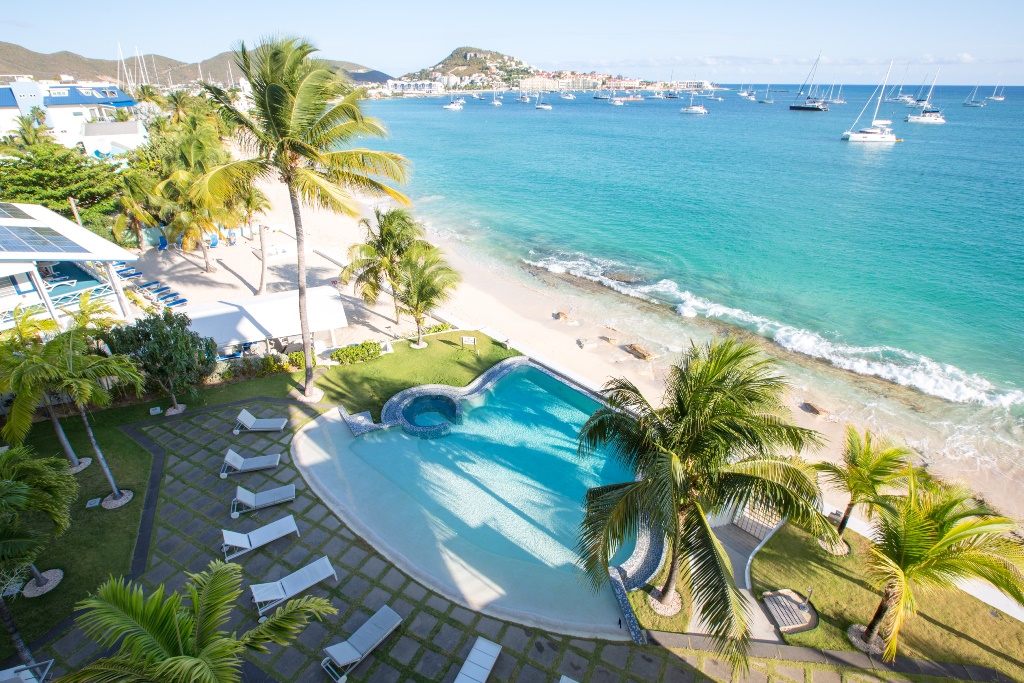
Simpson Bay is one of the island’s most active corridors. Restaurants, marinas, shops, services, nightlife and beaches sit within a relatively compact area. Inventory can include apartments, condominiums, homes and commercial property.
Consider Simpson Bay if you value: proximity to services, an energetic setting, boating access and strong visibility for certain commercial or rental uses.
Check carefully: traffic patterns, parking, street noise, exact walkability and whether the property sits on the lagoon, hillside or busier commercial strip. Explore Simpson Bay properties.
Pelican Key: established hillside living near Simpson Bay
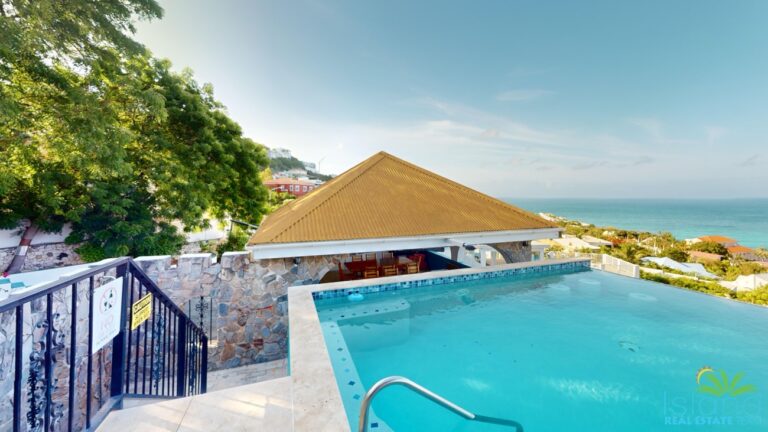
Pelican Key rises above the Simpson Bay area along Billy Folly Road. It is known for established residential properties, hillside views and access to the restaurants and services below. Housing includes villas, homes and resort-oriented or condominium options near the lower area.
Consider Pelican Key if you value: broad views, a residential feel and quick access to Simpson Bay amenities.
Check carefully: road gradient, parking, retaining walls, wind exposure, property access and the difference between lower resort activity and quieter upper streets. Read the Pelican Key real estate guide.
Cupecoy and Porto Cupecoy: condominiums, newer development and western access
Cupecoy is a major condominium and development market near Mullet Bay, the airport side of the island and the French-side border. Porto Cupecoy adds a marina-village environment with dining and services. Buyers can compare established residences, beachfront or cliffside settings and newer projects.
Consider Cupecoy if you value: condominium living, amenities, western-island access and proximity to Mullet Bay.
Check carefully: association fees, rental and pet rules, building reserves, hurricane protection, planned construction and the difference between beach access, lagoon orientation and cliffside views. Explore Cupecoy properties.
Maho and Beacon Hill: airport energy, entertainment and distinctive coastal settings
Maho provides restaurants, nightlife, casinos, retail and highly recognizable airport-adjacent beach activity. Nearby Beacon Hill occupies a narrow coastal peninsula with homes, villas and sea views. The locations can feel dramatically different even though they are close.
Consider these areas if you value: access to entertainment, the airport and western beaches.
Check carefully: aircraft and nightlife noise, traffic at peak times, sea exposure, parking and whether the immediate surroundings fit your personal-use or rental strategy.
Cole Bay and Cay Hill: practical central access
Cole Bay is a broad residential and commercial area linking the Simpson Bay corridor with routes toward Philipsburg. Cay Hill provides access to important services and central parts of the Dutch side. These areas may suit buyers whose priorities are everyday convenience, work access or commercial utility more than a resort atmosphere.
Check carefully: the micro-location, road access, surrounding land use and drainage. A property one street away can have a very different outlook and traffic pattern.
Philipsburg and the eastern side
Philipsburg offers urban and commercial context, Great Bay access and proximity to government and business activity. Farther east, areas such as Dawn Beach and Oyster Pond can appeal to buyers seeking coastal scenery, breeze and a more removed setting.
Check carefully: commute expectations, road condition, hillside access, utilities, storm exposure and the precise legal and practical context near the island border.
How to choose your area
- Write down your five non-negotiables.
- Map normal drives, not only tourist attractions.
- Visit during day, evening and peak traffic.
- Compare recurring costs and property-management needs.
- Review the specific building, street and title.
- Use the property map to compare active inventory geographically.
Frequently asked questions
Which St. Maarten area is best for rental property?
It depends on long-term versus vacation rental, property type, management, rules, pricing and demand. Analyze the specific asset rather than assuming every property in a popular district performs equally.
Where should a first-time island buyer start?
Start with daily-life requirements and compare three different areas in person. This creates a clearer benchmark for access, noise, views, property type and value.
Should I choose the neighborhood before the property?
Usually create a neighborhood shortlist first, then remain open to an exceptional property nearby. Micro-location matters as much as the district name.
Disclaimer: Neighborhood descriptions are general and subjective. Conditions, development, traffic, access and amenities can change. Inspect each property and its surroundings, and complete independent legal and technical due diligence.