

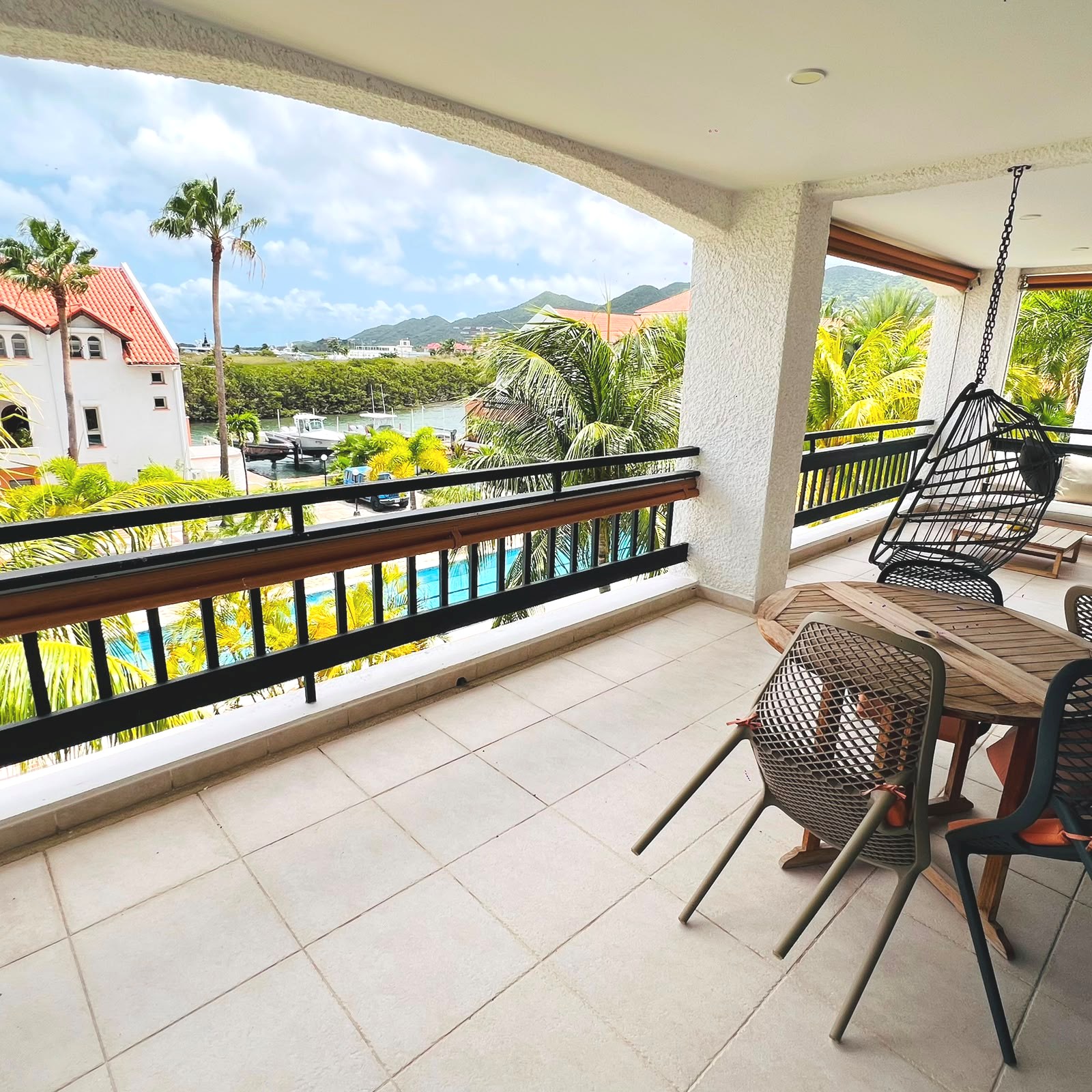
St. Martin is one island with two jurisdictions: Dutch-side Sint Maarten and French-side Saint-Martin. The border is open in everyday life, but property transactions, taxes, professional roles, financing, currency and administration are not interchangeable. Buyers should compare both lifestyle and legal framework before deciding where to purchase.
Begin with the jurisdiction, not only the view
A property on the Dutch side is acquired within Sint Maarten’s legal and administrative system. A property on the French side falls within the French system. The professionals, documentation, taxes, inheritance considerations and rental rules can differ. Use advisers qualified for the side where the property is located.
Currency and transaction planning
Property discussions on the Dutch side commonly use U.S. dollars, while the French side operates in the euro environment. Exchange-rate exposure can affect the acquisition and ongoing costs for an overseas buyer. Even where a listing is presented in a familiar currency, confirm the currency required for the contract, closing, taxes and recurring payments.
Lifestyle and access
The Dutch side includes major commercial, marina, nightlife and airport-oriented districts such as Simpson Bay, Maho and Philipsburg, along with residential and resort areas. The French side includes destinations such as Marigot, Grand Case, Orient Bay and Terres Basses, each with a distinct pattern of dining, beaches, villages and residential settings.
Do not reduce the choice to “active” versus “quiet.” There are calm Dutch-side streets and active French-side destinations. Compare the exact property and route:
- Airport and ferry access
- Work, schools, healthcare and everyday shopping
- Beach, marina and restaurant preferences
- Traffic at the times you will travel
- Language and service-provider comfort
- Property management and rental operations
Property types and community structure
Both sides offer condominiums, villas, homes, land and commercial assets, but inventory and ownership structures differ by development and location. Review title, co-ownership or community documents, fees, reserves, rules and planned work with professionals familiar with that jurisdiction.
Taxes, inheritance and ownership structure
Do not carry a tax assumption from one side across the border. Transfer, annual, rental, capital, inheritance and entity considerations may differ, as can a buyer’s home-jurisdiction tax consequences. Seek cross-border advice where necessary before choosing an ownership structure.
Rental strategy and regulation
Short-term and long-term rental requirements can differ between jurisdictions and communities. Confirm registration, tax, insurance, lease, guest, safety and building rules for the exact property. Model returns only after identifying which obligations and costs apply.
A practical decision process
- Create one lifestyle and property brief for the entire island.
- Tour contrasting areas on both sides.
- Shortlist properties, then identify jurisdiction-specific costs and rules.
- Compare the full acquisition and ownership budget in a common currency.
- Use legal, tax and financial professionals qualified for the relevant side.
- Choose the property and process that fit your real use, not a simplified island stereotype.
IRE Team’s inventory focus is St. Maarten and neighboring-island opportunities. Start with properties for sale or use the map listing to understand location.
Frequently asked questions
Can I live on one side and work or spend time on the other?
People cross the open border in daily life, but immigration, residence, work, tax and business rules remain jurisdiction-specific. Obtain current advice for your situation.
Is property cheaper on one side?
A side-wide answer is not useful. Compare similar property types, condition, title, location, fees, currency and legal context at the same time.
Can the same notary handle either side?
Do not assume so. Use professionals authorized and qualified for the jurisdiction in which the property is located.
Disclaimer: This comparison is general and does not describe every legal, tax, immigration or property difference between Sint Maarten and Saint-Martin. Obtain independent advice from qualified professionals in the relevant jurisdiction.